
Guía sobre pilates clínico y readaptación funcional
Introducción
El pilates clínico es una forma de ejercicio terapéutico utilizada en fisioterapia para mejorar el movimiento del cuerpo y ayudar en la recuperación de lesiones.
A diferencia del pilates convencional que suele realizarse en clases grupales, el pilates clínico está adaptado a cada persona y a su situación concreta.
El objetivo no es solo hacer ejercicio, sino aprender a moverse mejor, reducir el dolor y recuperar la confianza en el movimiento.
¿Qué es el pilates clínico?
El pilates clínico es un tipo de ejercicio guiado por un fisioterapeuta que se adapta a las necesidades de cada paciente.
Se utiliza con frecuencia en personas que:
- han tenido una lesión
- tienen dolor persistente
- quieren recuperar movilidad
- desean volver a realizar actividad física con seguridad
El trabajo se centra en mejorar la estabilidad, el control del movimiento y la conciencia corporal.
¿Qué es la readaptación funcional?
La readaptación funcional consiste en ayudar al cuerpo a recuperar su capacidad de movimiento después de una lesión o un periodo de dolor.
En muchas ocasiones, cuando aparece una lesión, el cuerpo desarrolla compensaciones para evitar el dolor.
Estas compensaciones pueden provocar nuevas molestias o limitar el movimiento.
El objetivo de la readaptación es recuperar un movimiento más natural y seguro.
¿En qué se diferencia del pilates convencional?
Una de las principales diferencias es el enfoque del trabajo.
En el pilates convencional las clases suelen realizarse en grupo y los ejercicios se realizan de forma continua durante la sesión.
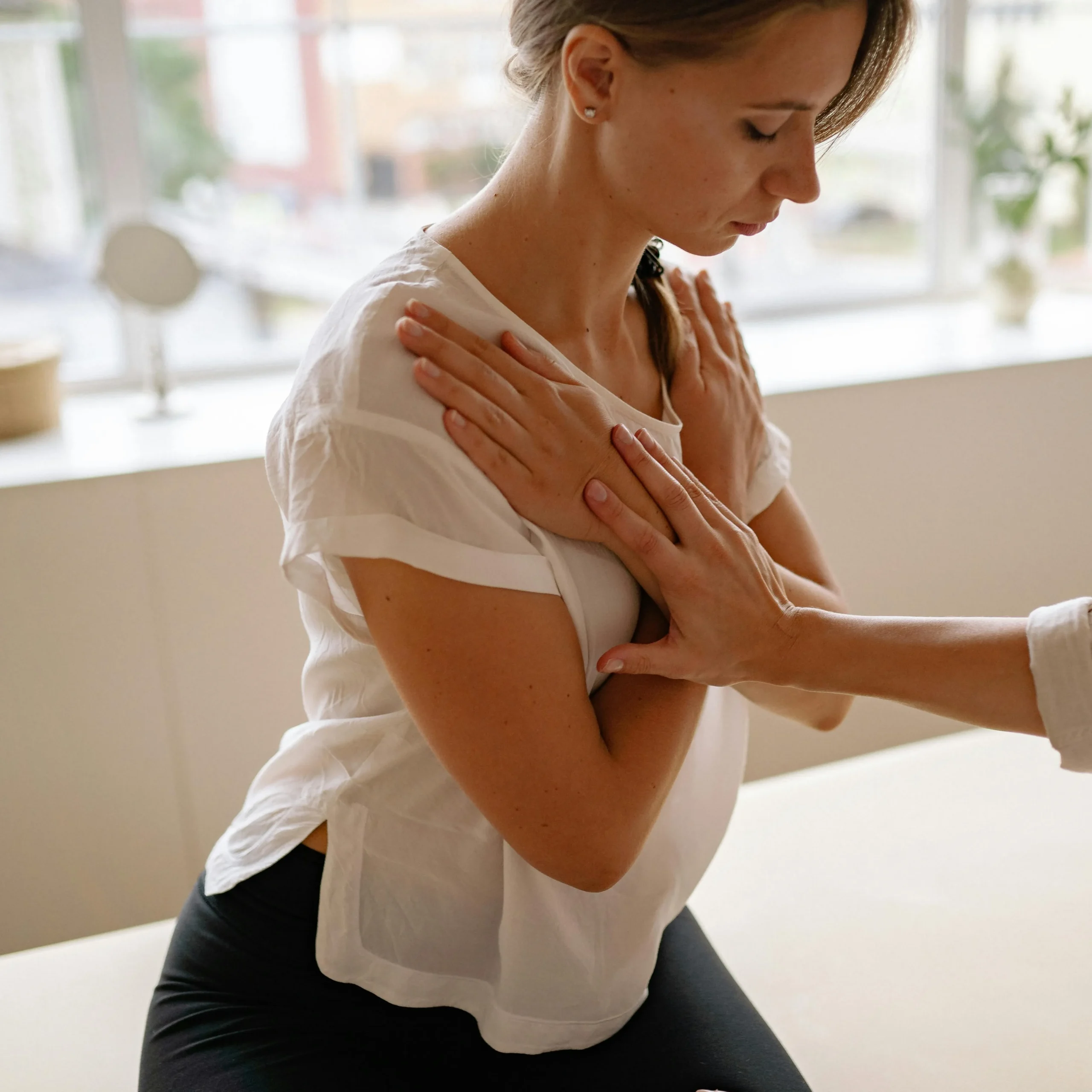
En el pilates clínico el trabajo es más pausado y se presta especial atención a cómo se realiza cada movimiento.
Durante la sesión se explica al paciente:
- cómo colocar la columna
- cómo activar la musculatura
- cómo mover brazos y piernas sin generar sobrecarga
Esto permite adaptar el ejercicio a cada persona y a cada lesión.
¿Para quién está indicado el pilates clínico?
El pilates clínico puede ser útil para personas que:
- han sufrido una lesión
- tienen dolor de espalda o cervical
- quieren recuperar movilidad después de un periodo de inactividad
- desean volver a hacer ejercicio con seguridad
También puede ser una herramienta útil para prevenir recaídas.
¿Cómo es una sesión de pilates clínico?
Durante la sesión se realizan ejercicios adaptados al estado del paciente.
El trabajo suele centrarse en:
- control del movimiento
- estabilidad de la columna
- movilidad articular
- respiración
En muchas ocasiones se utilizan elementos sencillos como:
- pelotas
- rodillos
- pequeñas pesas
Sin embargo, el elemento principal es el propio cuerpo del paciente y su movimiento.
¿Qué ropa hay que llevar?
Se recomienda acudir con ropa deportiva cómoda que permita moverse con facilidad.
También suele ser conveniente realizar los ejercicios descalzo o con calcetines, para mejorar la percepción del apoyo del cuerpo.
¿Se puede hacer pilates clínico si tengo dolor?
Sí.
De hecho, el pilates clínico se utiliza precisamente para ayudar a recuperar el movimiento cuando existe dolor o una lesión.
Los ejercicios se adaptan siempre al estado del paciente y se realizan de forma progresiva.
¿Cuántas sesiones son necesarias?
El número de sesiones depende de cada caso y de la situación de la persona.
Algunas personas utilizan el pilates clínico durante un periodo concreto para recuperar una lesión, mientras que otras lo integran como parte de su rutina de cuidado corporal.
Errores frecuentes al volver a hacer ejercicio
Después de una lesión, algunas personas intentan volver demasiado rápido a su actividad habitual.
Otros errores frecuentes son:
- evitar completamente el movimiento por miedo al dolor
- realizar ejercicios sin adaptar a la lesión
- no prestar atención a la forma en que se realizan los movimientos
Un trabajo guiado permite recuperar la confianza en el movimiento y reducir el riesgo de recaídas.
¿Cuándo acudir a fisioterapia para trabajar el movimiento?
Puede ser recomendable acudir cuando:
- existe dolor al moverse
- se ha pasado por una lesión reciente
- hay inseguridad al realizar ejercicio
- aparecen molestias al realizar actividades cotidianas
Un trabajo guiado permite recuperar el movimiento de forma progresiva y segura.
Pilates clínico y recuperación del movimiento
El objetivo del pilates clínico no es solo realizar ejercicio durante una sesión, sino ayudar al paciente a comprender mejor su cuerpo y moverse con mayor seguridad en su vida diaria.