
Guía sobre lipedema: qué es y cómo tratarlo
Introducción
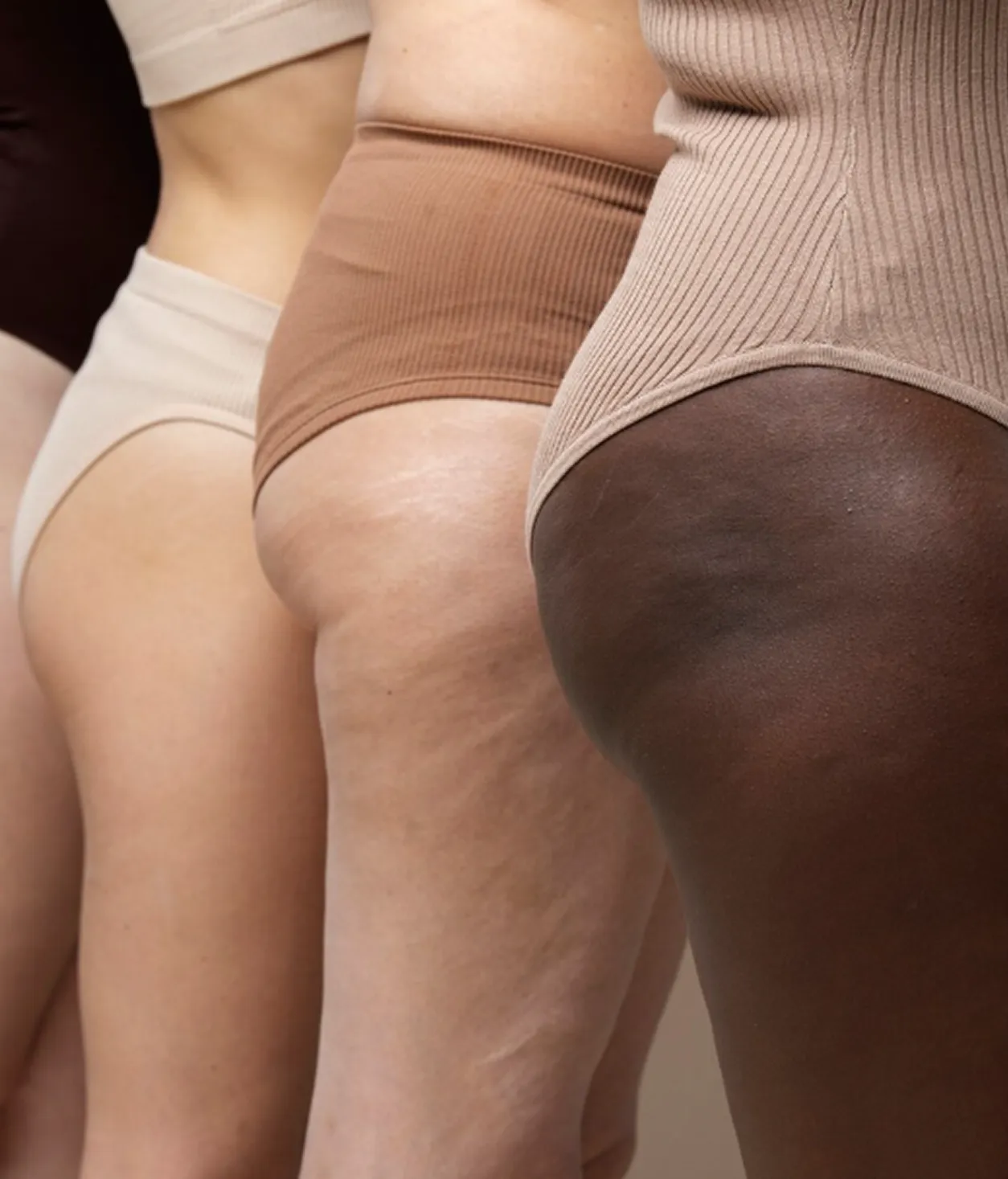
El lipedema es una enfermedad crónica del tejido adiposo que provoca una acumulación anormal de grasa, generalmente en las piernas y, en algunos casos, en los brazos.
Aunque durante muchos años se ha confundido con sobrepeso o problemas circulatorios, el lipedema es una patología específica que requiere un enfoque de tratamiento diferente.
Un diagnóstico adecuado y un tratamiento adaptado pueden ayudar a mejorar la calidad de vida y a controlar la evolución de la enfermedad.
¿Qué es el lipedema?
El lipedema es una alteración del tejido adiposo en la que las células grasas (adipocitos) crecen de forma desordenada.
Esta acumulación de grasa suele aparecer de manera simétrica en las piernas, y en algunos casos también en los brazos.
A diferencia de otros problemas relacionados con el peso, el lipedema no desaparece simplemente con dieta o ejercicio, ya que el tejido adiposo afectado responde de forma diferente.
Es una enfermedad que afecta principalmente a mujeres y suele aparecer o empeorar en momentos de cambios hormonales.
¿Cómo saber si puedes tener lipedema?
Algunas señales que pueden indicar la presencia de lipedema son:
- aumento de volumen en piernas o brazos de forma simétrica
- dolor o sensibilidad al tacto
- sensación de pesadez en las piernas
- facilidad para que aparezcan hematomas
- dificultad para perder volumen en las zonas afectadas
Muchas personas con lipedema han pasado años pensando que simplemente tenían problemas de peso o mala circulación.
Por eso, una valoración médica especializada es importante para confirmar el diagnóstico.
Diferencia entre lipedema y linfedema
Aunque pueden parecer similares, el lipedema y el linfedema son patologías diferentes.
El lipedema afecta al tejido adiposo, mientras que el linfedema es una alteración del sistema linfático.
En algunos casos ambas patologías pueden coexistir, lo que se conoce como lipo-linfedema.
Cuando esto ocurre, el tratamiento fisioterapéutico puede incluir técnicas de drenaje linfático para mejorar el funcionamiento del sistema linfático.
¿Se puede curar el lipedema?
El lipedema es una enfermedad crónica y actualmente no tiene una cura definitiva.
Sin embargo, existen tratamientos que permiten controlar sus síntomas y mejorar la calidad de vida.
El objetivo del tratamiento es reducir el dolor, mejorar la movilidad y evitar que la enfermedad avance.
¿Qué tratamiento se recomienda para el lipedema?
El tratamiento del lipedema suele ser multidisciplinar.
Las principales estrategias incluyen:
- ejercicio físico adaptado
- uso de medias de compresión
- seguimiento nutricional con dieta antiinflamatoria
- control del peso y del estilo de vida
En algunos casos, también puede considerarse la cirugía mediante técnicas específicas de liposucción para eliminar parte del tejido adiposo afectado.
¿El drenaje linfático sirve para el lipedema?
En el lipedema puro, el drenaje linfático manual no reduce el volumen de grasa.
Sin embargo, puede ser útil cuando existe inflamación o cuando el lipedema está asociado a linfedema.
En estos casos, el drenaje ayuda a mantener el sistema linfático activo y a mejorar la sensación de pesadez.
¿Se puede hacer ejercicio con lipedema?
Sí, el ejercicio es una parte muy importante del tratamiento.
El movimiento ayuda a mejorar la circulación, mantener la movilidad y controlar los síntomas.
Es recomendable realizar ejercicio adaptado y progresivo, especialmente cuando existe dolor o sensibilidad en las zonas afectadas.
El papel de las medias de compresión
Las medias de compresión son una herramienta importante para muchas personas con lipedema.
Ayudan a mejorar la circulación y a reducir la sensación de pesadez en las piernas.
Su uso debe ser valorado y recomendado por un profesional especializado.
Errores frecuentes en el manejo del lipedema
Algunos errores comunes que pueden dificultar el manejo de esta patología son:
- pensar que es únicamente un problema de peso
- realizar dietas muy restrictivas sin seguimiento profesional
- abandonar el ejercicio por miedo al dolor
- no utilizar las medias de compresión cuando están indicadas
Comprender bien la enfermedad es un paso fundamental para poder controlarla.
¿Cuándo acudir a un especialista?
Si notas un aumento de volumen en piernas o brazos acompañado de dolor, pesadez o facilidad para que aparezcan hematomas, puede ser recomendable consultar con un especialista.
Un diagnóstico adecuado permite orientar el tratamiento y evitar que la enfermedad avance sin control.
Tratamiento del lipedema
Si tienes dudas sobre el lipedema o sospechas que puedes tenerlo, una valoración especializada permite estudiar cada caso y orientar el tratamiento más adecuado.