
Guide to Clinical Pilates and Functional Rehabilitation
Introduction
Clinical Pilates is a form of therapeutic exercise used in physical therapy to improve body movement and aid in recovery from injuries.
Unlike conventional Pilates, which is typically practiced in group classes, clinical Pilates is tailored to each individual and their specific situation.
The goal isn't just to exercise, but to learn to move better, reduce pain, and regain confidence in movement.
What is clinical Pilates?
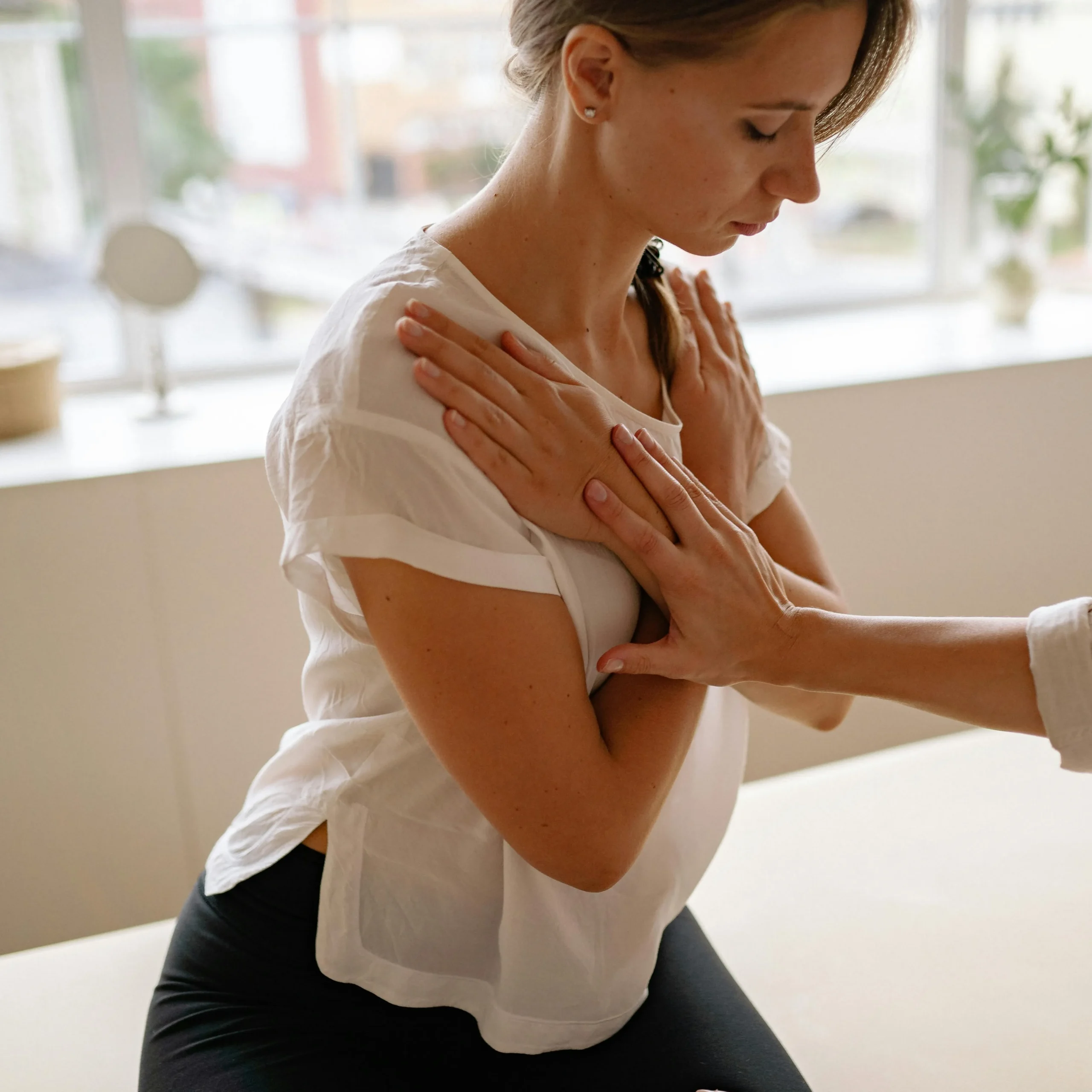
Clinical Pilates is a type of exercise led by a physical therapist that is tailored to each patient's needs.
It is frequently used in people who:
- have suffered an injury
- have persistent pain
- want to regain their mobility
- want to safely resume physical activity
The program focuses on improving stability, movement control, and body awareness.
What is physical therapy?
Physical therapy involves helping the body regain its ability to move after an injury or a period of pain.
Often, when an injury occurs, the body develops compensatory mechanisms to avoid pain.
These compensatory movements can cause further discomfort or limit movement.
The goal of rehabilitation is restore more natural and safe movement.
How is it different from traditional Pilates?
One of the main differences is the approach to the work.
In traditional Pilates, classes are usually held in groups, and the exercises are performed continuously throughout the session.
In clinical Pilates, the movements are performed at a slower pace, and special attention is paid to how each movement is executed.
During the session, the patient is told:
- how to install the column
- how to engage your muscles
- how to move your arms and legs without straining yourself
This allows the exercise to be tailored to each individual and each injury.
Who is clinical Pilates recommended for?
Clinical Pilates can be helpful for people who:
- have suffered an injury
- have back or neck pain
- want to regain their mobility after a period of inactivity
- want to start exercising again safely
It can also be a useful tool for preventing relapses.
What is a clinical Pilates session like?
During the session, exercises are performed that are tailored to the patient's condition.
The work typically focuses on:
- motion control
- spinal stability
- joint mobility
- breathing
Often, simple elements such as the following are used:
- balls
- rollers
- small weights
However, the main factor is the patient’s own body and its movement.
What should I wear?
We recommend wearing comfortable athletic clothing that allows you to move easily.
It is also usually best to do the exercises barefoot or in socksto improve your sense of body support.
Can I do therapeutic Pilates if I'm in pain?
Yes.
In fact, clinical Pilates is used specifically to help restore movement in cases of pain or injury.
The exercises are always tailored to the patient's condition and are performed in a progressive manner.
How many sessions are needed?
The number of sessions depends on each individual case and the person's circumstances.
Some people use therapeutic Pilates for a specific period to recover from an injury, while others incorporate it into their regular fitness routine.
Common Mistakes When Getting Back into Exercise
After an injury, some people try to return to their normal activities too quickly.
Other common mistakes include:
- completely avoid movement out of fear of pain
- doing exercises without adapting them to the injury
- not paying attention to how the movements are performed
Guided exercise helps restore confidence in movement and reduce the risk of relapse.
When should you see a physical therapist to work on your mobility?
It may be advisable to seek help when:
- There is pain when moving
- has been sidelined due to a recent injury
- There is a sense of insecurity when exercising
- discomfort occurs during daily activities
Guided exercise allows you to regain mobility gradually and safely.
Clinical Pilates and Movement Rehabilitation
The goal of clinical Pilates is not just to exercise during a session, but to help patients better understand their body and move with greater confidence in their daily lives.