
Guía sobre drenaje linfático postoperatorio
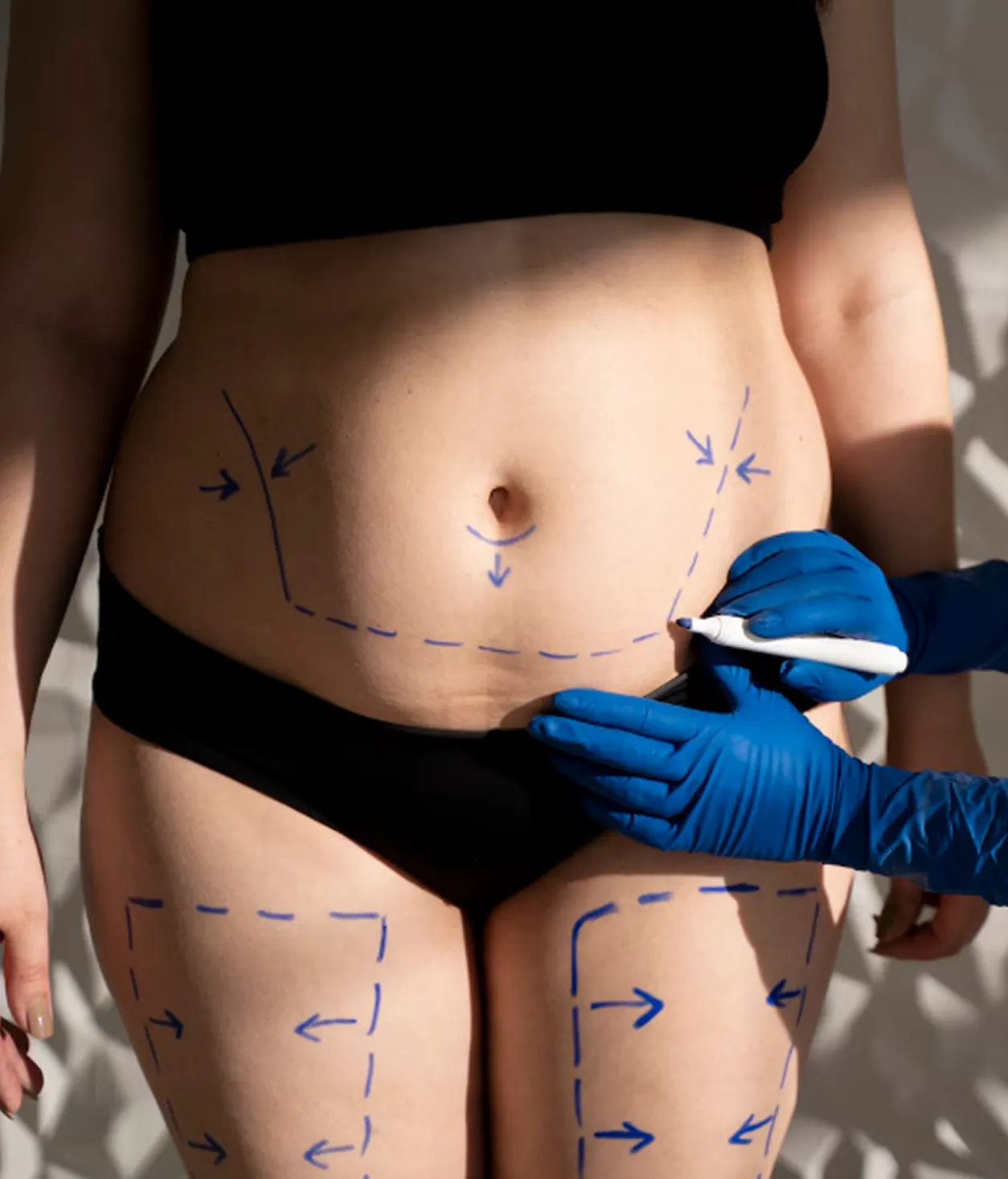
¿Qué es el drenaje linfático después de una cirugía?
El drenaje linfático manual es una técnica fisioterapéutica que se utiliza con frecuencia después de cirugías estéticas para favorecer la recuperación de los tejidos.
Después de una intervención quirúrgica es normal que aparezcan:
- inflamación
- hematomas
- acumulación de líquidos
- sensación de tensión en la zona operada
El drenaje linfático ayuda a movilizar estos líquidos y a mejorar la recuperación del tejido.
¿Cuándo se puede empezar el drenaje linfático después de una cirugía?
En muchos casos el drenaje linfático puede comenzar al día siguiente de la intervención.
Sin embargo, esto siempre depende del protocolo que indique el cirujano que ha realizado la operación.
Por este motivo es importante seguir siempre las recomendaciones del especialista.
¿Para qué sirve el drenaje linfático postoperatorio?
El drenaje linfático manual se utiliza para:
- reducir la inflamación
- favorecer la reabsorción de hematomas
- mejorar la circulación linfática
- ayudar a que el tejido se recupere mejor
Uno de los objetivos más importantes es prevenir la fibrosis, una complicación que puede aparecer durante la cicatrización.
¿Duele el drenaje linfático después de una operación?
Las maniobras del drenaje linfático son suaves.
Sin embargo, durante las primeras sesiones es posible que el tratamiento resulte algo molesto, ya que el tejido está inflamado y sensible tras la cirugía.
A medida que pasan los días y disminuye la inflamación, las sesiones suelen resultar más cómodas.
¿Cuántas sesiones de drenaje linfático se necesitan?
El número de sesiones depende del tipo de cirugía y de la evolución de cada persona.
De forma orientativa, muchas veces se realiza un mínimo de diez sesiones, que suelen distribuirse varias veces por semana durante las primeras semanas.
Posteriormente las sesiones pueden espaciarse según la evolución del tejido.
¿Qué papel tienen las fajas o prendas de compresión?
Después de muchas cirugías estéticas se recomienda el uso de fajas o prendas de compresión.
Estas prendas ayudan a mantener los tejidos en su posición y a favorecer una recuperación adecuada.
Es importante seguir siempre las indicaciones del cirujano sobre cuándo utilizarlas y durante cuánto tiempo.
¿El drenaje linfático evita la fibrosis?
El drenaje linfático manual ayuda a prevenir la fibrosis porque mejora la circulación de los líquidos y favorece una cicatrización más uniforme.
La fibrosis aparece cuando el tejido cicatriza de forma irregular, generando zonas más duras.
El tratamiento fisioterapéutico busca evitar que esto ocurra.
¿Qué puede hacer el paciente para mejorar la recuperación?
Además de las sesiones de drenaje linfático, es importante:
- seguir las indicaciones del cirujano
- utilizar las prendas de compresión cuando estén indicadas
- respetar los tiempos de recuperación
- acudir a las sesiones recomendadas
Una recuperación adecuada depende tanto del tratamiento como de los cuidados posteriores.
¿Cuándo acudir a fisioterapia después de una cirugía estética?
Si has pasado por una cirugía estética y notas inflamación persistente, acumulación de líquido o zonas endurecidas, una valoración fisioterapéutica puede ayudar a mejorar la recuperación.
El drenaje linfático manual es una herramienta muy utilizada para acompañar el proceso de recuperación después de una intervención.